

Lumber, Cement & Steel Shippers: 3 Wins with Princeton TMX
How lumber, cement, and steel shippers used Princeton TMX to auto-tender ~85% of freight, cut rates 28%, and get delivery dates from 100% of carriers.
Freight now auto-tenders with zero manual touch
Drop in Freight Rates in 12 Months
Carrier Compliance
Heavy, bulky freight breaks the standard shipping playbook. Manual tendering, reliance on multiple carrier portals, and spreadsheet-based operations don't hold up for long.
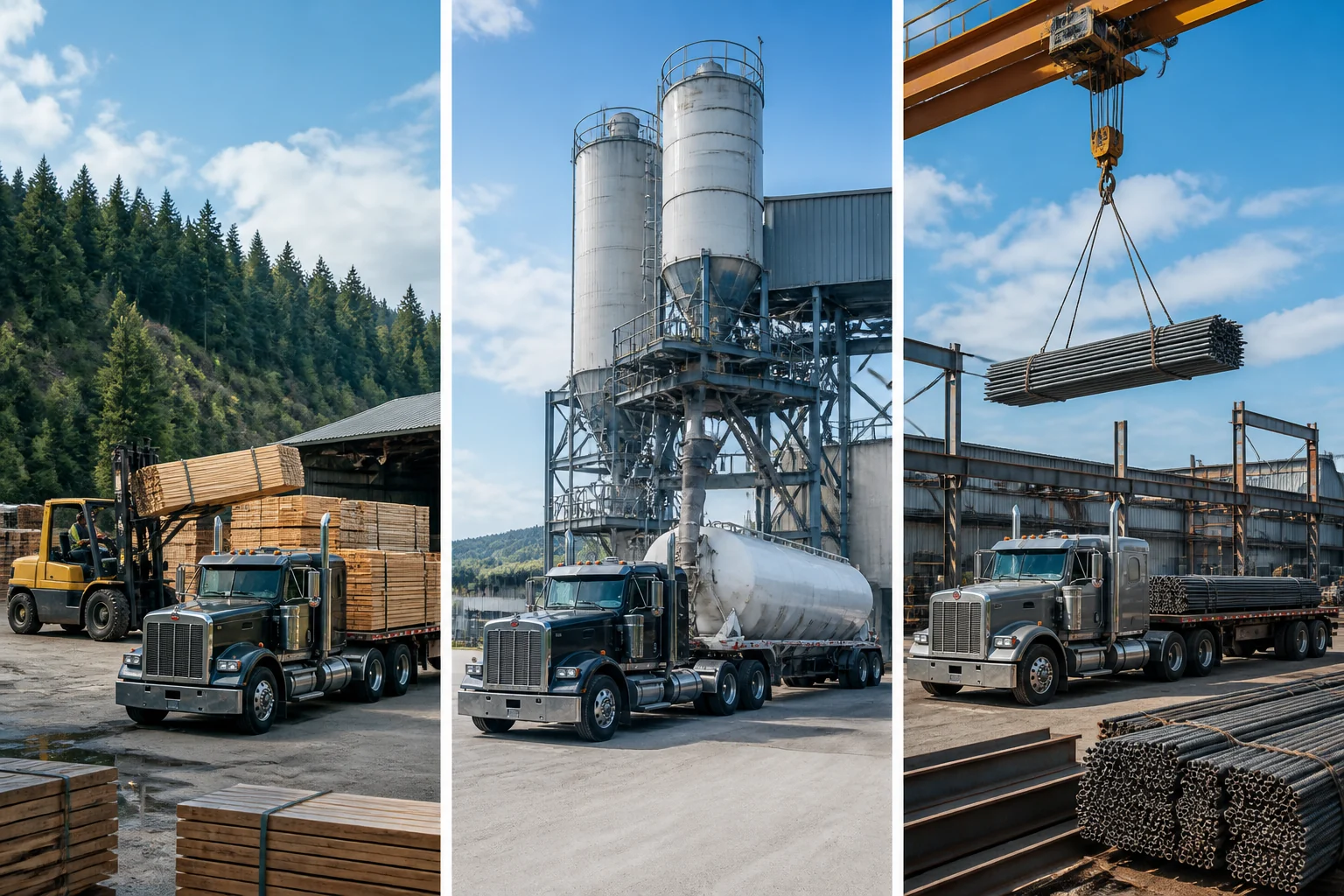
Three very different industrial shippers found that out firsthand:
- A lumber and wood products manufacturer shipping from 10 different facilities
- A cement producer moving thousands of pneumatic tank trailer shipments per month
- A steel manufacturer shipping rebar, structural steel, and piling in the U.S. and Canada
Here's how each solved its biggest challenge with Princeton TMX.
Wood Products: Fixing the Manual Tendering Bottleneck
Roseburg Forest Products ships from eight manufacturing sites and two reload yards into all 48 states and across the Canadian border. Every load it released landed in the exceptions queue, the list of loads a person has to handle by hand, so nothing tendered automatically. Specialists pulled a rate list, spot-rated the load or single-tendered it to one carrier, and repeated. Some loads cycled through several carriers and rounds of back-and-forth before they were covered. On a typical morning, 80 to 100 loads were already waiting.
What changed with Princeton TMX:
- Awarded freight auto-tendering: RFP awards are paired with a tender rules engine. Now, freight goes to the right carrier the moment it's released.
- Orders flow in and docks run on appointments: A clean ERP integration and rail EDI connections feed orders in for tendering, and appointment scheduling has been built out facility by facility.
- Carriers see freight weeks in advance: Forecast automation assigns certain lanes and volumes to carriers ahead of time and notify them of what's coming.
Results:
- ~85% of freight now auto-tenders with no manual touch, reducing exceptions down to about 5 versus the 80 to 100 they used to start each morning with.
- Specialists spend their time on true exceptions, the loads that need judgment, and building carrier relationships instead of data entry.
- Roughly 90% of outbound freight has a scheduled appointment, and some sites eliminated same-day bookings entirely.
Cement and Ready-mix: Fixing the Shipment Visibility Gap
This cement and ready-mix producer moves 11,000 to 13,000 shipments a month in specialized pneumatic tank trailers. After centralizing dispatch, the team wanted out of spreadsheets and into real-time shipment data. The gap was delivery confirmation: many of its carriers didn't use EDI, so nothing flagged a load as delivered automatically. The company wouldn't invoice a customer until a load was complete, so delivered freight sat for days or weeks waiting on paperwork, and the cash sat with it.
What changed with Princeton TMX:
- Tendering captures freight data: Load data is captured at the tender stage, so the team can quickly select the best carrier at market-competitive rates.
- Additional tools simplify more daily work: The team expanded beyond tendering to rely on Princeton TMX for freight rating, work queues, invoicing, and reporting, all integrated with their customer order portal.
- Real-time proof of delivery: Drivers upload proof of delivery through the mobile app, and autopay keeps payments moving without waiting on carrier invoices.
Results:
- 98% drop in balances more than 60 days overdue, from $26.4 million (September 2018) to $561,000 (August 2023).
- 28% lower freight rates in the first 12 months on Princeton TMX.
- Carriers can see any load and exactly what they'll be paid, while the team sees linehaul and fuel surcharge in one place instead of pulling data out of SAP.
Steel manufacturing: Fixing the Rate and Tender Control Gap
Gerdau Long Steel North America runs six steel mills in the U.S. and three in Canada, making merchant bar, structural steel, piling, and rebar, and moves freight through downstream facilities and third-party processors. Its previous TMS didn’t provide the automation or data the team needed, so certain moves had to run through manual emails. Some users also single-tendered loads to carriers with no rate in the system, which left loads unmatched to rates and carriers waiting on payment, a particular headache with Canadian carriers because of differing taxes, accessorials, currency conversions, and fuel surcharges.
What changed with Princeton TMX:
- Tendering is gated by rate: If a carrier has no contracted rate, mills can’t tender a load to them unless they enter a spot rate.
- One planned delivery date per load: Princeton TMX’s team helped Gerdau replace “earliest” and “latest” delivery dates with a single planned date, and carriers were receptive to the change.
- Carriers work in the platform: Carriers can see any load, its status, and its rate, and enter planned and actual delivery data themselves.
Results:
- 100% of carriers now enter planned and actual delivery dates.
- Carrier payments are more efficient, and the team has extensive reporting on every invoice.
- Real-time load data lets the team troubleshoot load issues internally almost instantly and give customers delivery updates without calling carriers.
Different Freight, Different Fixes, Same Platform
Shippers of heavy or bulky freight don’t share a single problem. Some are drowning in manual tendering, some are chasing cash they can’t see, and some are shipping freight with no rate behind it. Princeton TMX adapts to the problem in front of it.
Gerdau chose Princeton TMX for its capabilities and how easy it is to use, then worked with Princeton’s team to build a new approach to delivery reporting. Its team describes a partner “creating solutions to problems we bring them.”
The cement producer started with one tool and kept expanding it as its needs changed.
Roseburg has stayed with Princeton TMX for more than a decade, even while hearing competing TMS pitches several times a year, citing excellent support and a platform that's easy for its users and carriers to use.
Want to see what this looks like on your freight? Book a demo or run the numbers with our ROI calculator.
Related Resources
Lumber, Cement & Steel Shippers: 3 Wins with Princeton TMX
How lumber, cement, and steel shippers used Princeton TMX to auto-tender ~85% of freight, cut rates 28%, and get delivery dates from 100% of carriers.
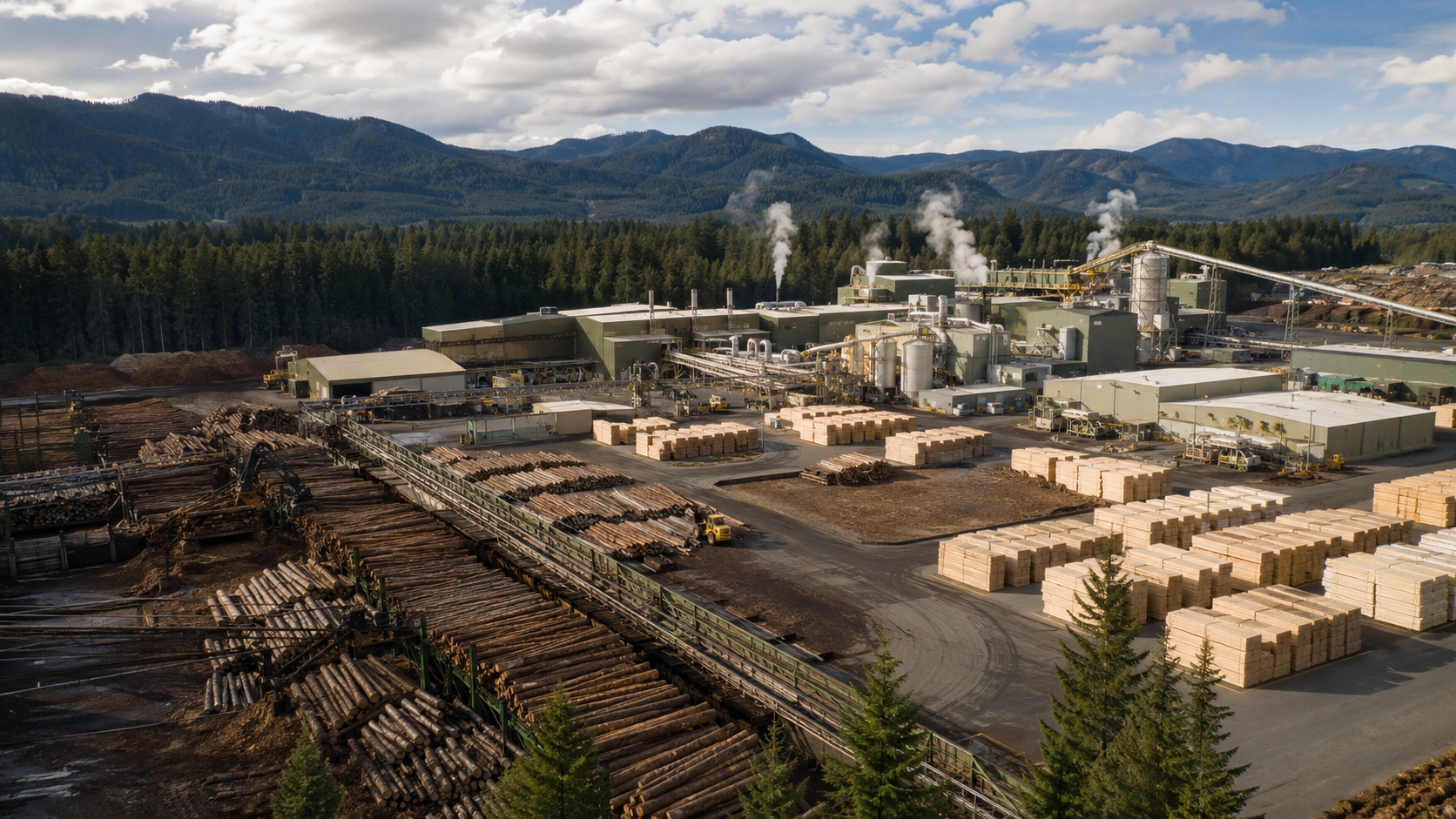
Roseburg Forest Products Cuts Manual Tendering by ~85% with Princeton TMX
How a 10-facility, multi-modal shipper turned a daily 80–100 load exceptions queue into a 5-load exceptions per day.

How Anchor Ingredients Reduced Touches per Load by 70% with Princeton TMX
By automating tendering and carrier management with Princeton TMX, Anchor Ingredients cut manual touches per load by 70%.