


Roseburg Forest Products Cuts Manual Tendering by ~85% with Princeton TMX
How a 10-facility, multi-modal shipper turned a daily 80–100 load exceptions queue into a 5-load exceptions per day.
Freight now auto-tenders with zero manual touch
Daily exceptions reduced to ~5 daily exceptions
Roseburg Forest Products Cuts Manual Tendering by ~85% with Princeton TMX
Complex Operations Demand Automation
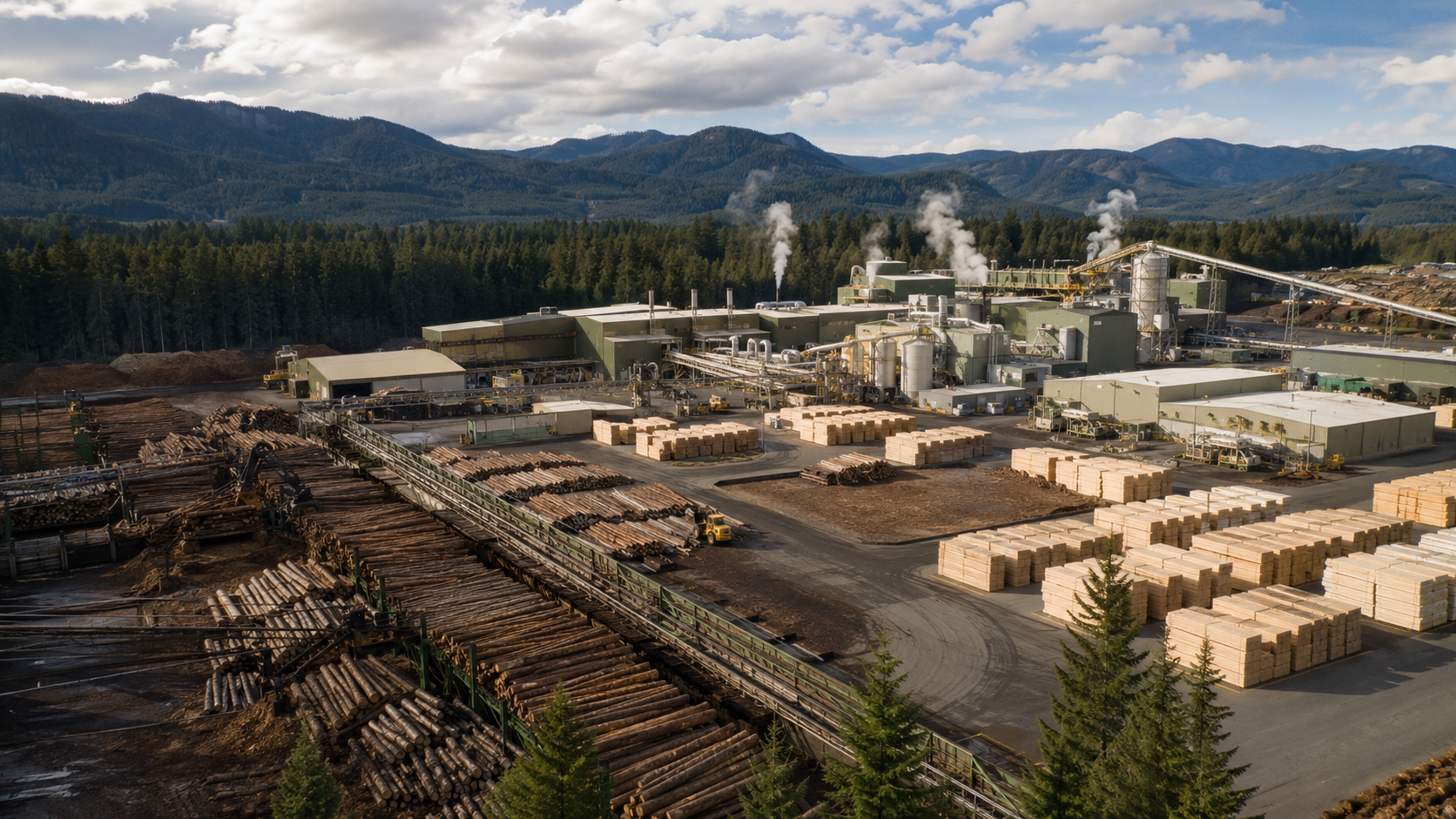
Roseburg Forest Products ships lumber, MDF, engineered wood, and plywood out of 10 active facilities — eight manufacturing sites and two owned reload yards, including the largest sawmill in North America. Roseburg’s facilities ship freight into all 48 states and across the Canadian border, running a true multimodal mix: predominantly truck, meaningful rail freight (flatbed and dry van), limited intermodal, and heavy-haul operations in the Pacific Northwest and Canada.
Before automating its tender process, every load Roseburg released hit an "exceptions" queue by default, meaning nothing tendered automatically. Instead, a small team of logistics specialists worked each one manually. They'd pull a rate list, spot-rate the load or single-tender it to a carrier, and repeat — sometimes cycling through several carriers and rounds of back-and-forth before a load was covered.
On a typical morning, that queue held 80 to 100 loads sitting untouched — before the carrier-facing, relationship-building, judgment-call work of the day had even started.
Building a Better Freight Tendering Workflow
Roseburg's logistics team worked with Princeton TMX to improve how freight moves from "released" to "covered” using the following TMS functionality:
- Carrier bid process and tender rules engine: Roseburg’s RFP-based carrier bid process awards specific lanes to specific carriers at negotiated rates. Paired with Princeton's tender rules engine, awarded freight auto-tenders to the correct carrier the moment it's released — no manual touch required.
- Forecast automation: Roseburg’s forward-looking carrier notifications automatically pre-award certain lanes and volumes, allowing carriers to see upcoming freight weeks in advance, rather than load by load, in real time. Automation also frees up time the team previously spent answering basic questions.
"Load tendering automation was a game changer... now it's a background process that saves us time and effort every single day."
- Systems integrations: A clean ERP integration, plus rail EDI connections, allow orders to flow through Princeton for tendering, even though the infrastructure lives elsewhere.
- Appointment and dock scheduling: Roughly 90% of Roseburg’s outbound freight, built out facility-by-facility, has a scheduled appointment. With this system in place, logistics can be handled proactively, and some sites have entirely eliminated same-day bookings.
- Centralized reporting: Each day, Roseburg relies on numerous custom-built real-time dashboards to analyze site-level shipment data and performance against internal KPIs.
All of the above is all made easier by the platform’s low barrier to entry. A wide range of roles, from logistics specialists to dock and warehouse staff to carrier partners, use the tool. New users get up to speed quickly, regardless of prior TMS experience.
The Result: Less Exceptions, More Strategy
The Roseburg team points to three key results they attribute to Princeton TMX software:
- Massive exception reduction: The daily exceptions queue — once 80 to 100 loads every morning — now sits at roughly 5 by the end of the day.
- Leaner, more strategic team: Roseburg's logistics specialists no longer have to spend time on manual data entry and load matching, freeing them to focus on work that requires judgment: managing true exceptions and building carrier relationships.
- Stronger carrier relationships: Providing advanced visibility into upcoming freight has helped Roseburg increase trust and enhance relationships across its carrier base.
Though the team fields competing pitches from other TMS vendors multiple times a year, they’ve chosen to stay with Princeton for over a decade because:
- Support is excellent: Roseburg's logistics team, IT partners, and Princeton's support team function as one connected unit, not three separate silos.
- Roseburg’s user base likes the platform: A diverse set of carriers and partners who regularly use other TMSs frequently comment on Princeton’s standout ease of use.
"Our TMS offers a lot of simple functionality that helps us run our day-to-day transportation for a reasonable cost. At the end of the day, it’s about striking the right balance between functionality, usability, and value — and Princeton is pulling it off."
Related Resources
Roseburg Forest Products Cuts Manual Tendering by ~85% with Princeton TMX
How a 10-facility, multi-modal shipper turned a daily 80–100 load exceptions queue into a 5-load exceptions per day.

How Anchor Ingredients Reduced Touches per Load by 70% with Princeton TMX
By automating tendering and carrier management with Princeton TMX, Anchor Ingredients cut manual touches per load by 70%.

How Red Apple Stores Reduced Annual Freight Spend by 25% with Princeton TMX
By introducing carrier competition and real-time visibility with Princeton TMX, Red Apple Stores cut its annual inbound freight spend by 25%.