


How Anchor Ingredients Reduced Touches per Load by 70% with Princeton TMX
By automating tendering and carrier management with Princeton TMX, Anchor Ingredients cut manual touches per load by 70%.
Reduction in Manual Touches
Orders Managed through Princeton TMX
How Anchor Ingredients Reduced Touches per Load by 70% with Princeton TMX
Situation
Anchor Ingredients is a farm-to-food supply chain partner supplying premium ingredients to the food and pet food industries, headquartered in Fargo, ND, with 10 processing/manufacturing facilities across the Midwest and sales offices in Los Angeles, Charleston, and Minneapolis.
Anchor manages a complex transportation network spanning truckload, reefer, dry van, bulk hopper, LTL, parcel, rail, and ocean container shipments.
As the company scaled, its over-the-road distribution network needed a more streamlined, efficient way to manage logistics.
The Challenge
Before Princeton TMX, Anchor ran its over-the-road freight manually — spreadsheets, BCC'd emails, and phone calls.
Each week, coordinators had to email multiple carriers for quotes, manually compare and organize rates, update spreadsheet trackers with carrier rates and load statuses, and manually route approvals and paperwork.
As demand grew from food and pet food manufacturers and distribution expanded across regions, this manual approach couldn't scale — warehousing, transloading, shipment tracking, and carrier communication all became harder to manage without automation, and the team was overwhelmed.
The Solution
Anchor Ingredients evaluated several TMS options before selecting Princeton TMX, driven by three factors:
- Price and Value — competitive pricing that aligned with budget while still delivering robust capability, letting Anchor capture savings as it grew
- Comprehensive Automation Features — auto-tendering, rules-based automation, and fuel surcharge management stood out versus the other systems evaluated
- Superior Customer Service — a seamless implementation, with Princeton TMX's support accelerating onboarding and adoption org-wide
Key capabilities implemented:
● Automated load tendering, using single tendering as the primary method with a secondary acknowledgment/acceptance check added to reduce tendering risk
● Auto-tendering tuned for partner carriers, particularly valuable given ~60% of Anchor's freight is bulk hopper loads
● Automated fuel surcharge management, applying the correct carrier-specific fuel matrix automatically instead of manually
● A reporting module covering on-time pickup/delivery, carrier scorecards, and claims tracking
Outcome
The impact was immediate and measurable:
● 70% reduction in manual touches per load — tendering that used to require manual emails and data entry now runs with minimal human intervention
● 91% of over-the-road freight now managed through Princeton TMX
● Carrier scorecard data now feeds quarterly business reviews, used to negotiate rates and reallocate underperforming lanes
● A new claims toggle feature gives Anchor better visibility to track and resolve claims
● Automated fuel surcharge application eliminated the inconsistencies caused by carriers' varying fuel matrices
The Takeaway
For Anchor Ingredients, automation turned a full-time manual job into a background process.
"Load tendering automation was a game changer... now it's a background process that saves us time and effort every single day."
Related Resources
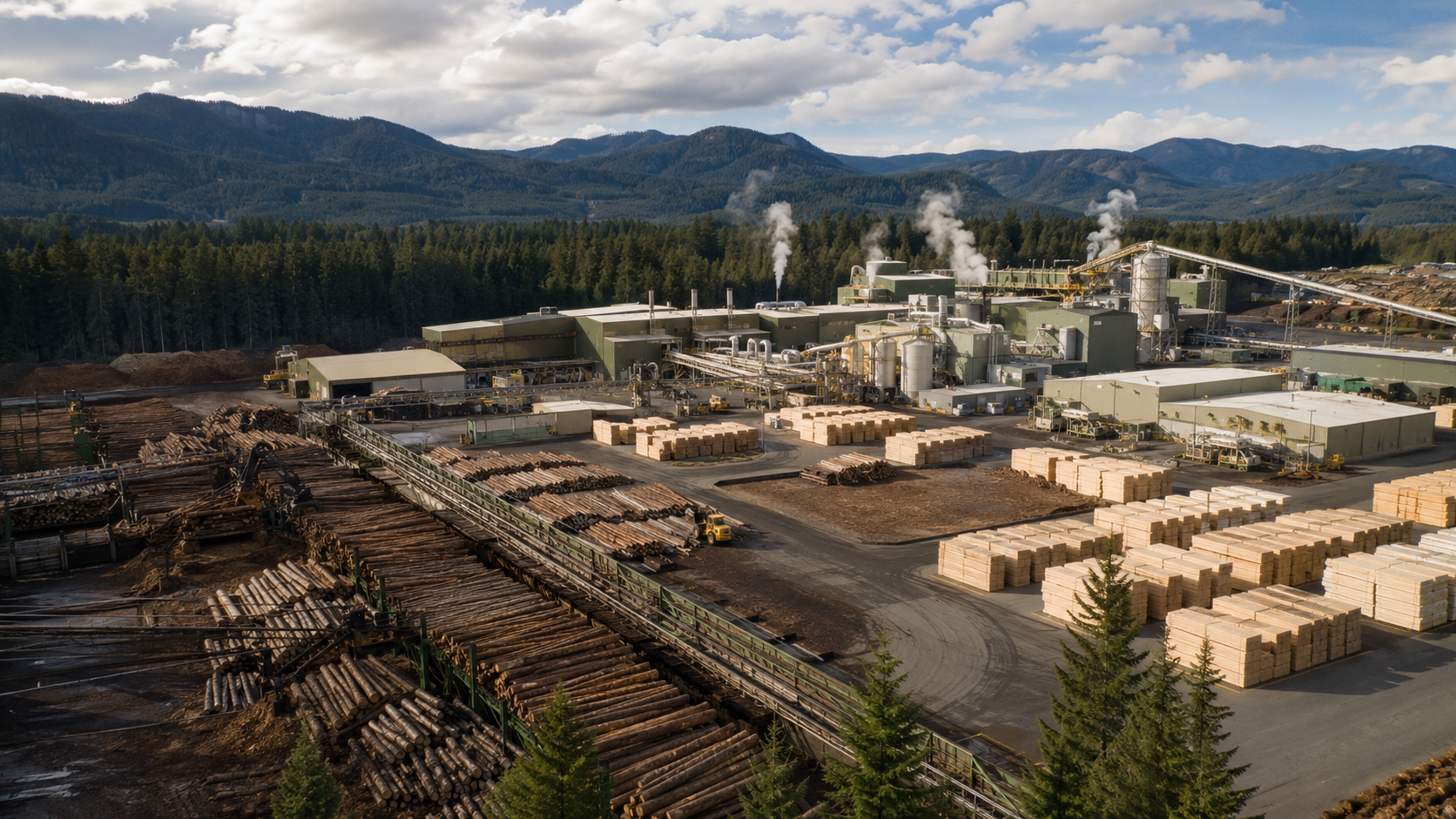
Roseburg Forest Products Cuts Manual Tendering by ~85% with Princeton TMX
How a 10-facility, multi-modal shipper turned a daily 80–100 load exceptions queue into a 5-load exceptions per day.
How Anchor Ingredients Reduced Touches per Load by 70% with Princeton TMX
By automating tendering and carrier management with Princeton TMX, Anchor Ingredients cut manual touches per load by 70%.

How Red Apple Stores Reduced Annual Freight Spend by 25% with Princeton TMX
By introducing carrier competition and real-time visibility with Princeton TMX, Red Apple Stores cut its annual inbound freight spend by 25%.