The story of Frankenstein bears striking similarities to the challenges faced with disparate IT systems in modern organizations. Like Victor Frankenstein’s creation, cobbled together from various parts, disparate IT systems are often assembled from different technologies and platforms, resulting in a complex and potentially unmanageable entity. Just as the monster struggled to integrate into society, these disjointed systems often fail to communicate effectively, leading to data silos and inefficiencies.
The lack of oversight and proper planning in Frankenstein’s experiment mirrors the ad-hoc approach some organizations take in implementing new technologies without considering long-term consequences or integration challenges. Furthermore, the unintended consequences of Frankenstein’s creation parallel the unforeseen issues that can arise from poorly integrated systems, such as security vulnerabilities or data inconsistencies.
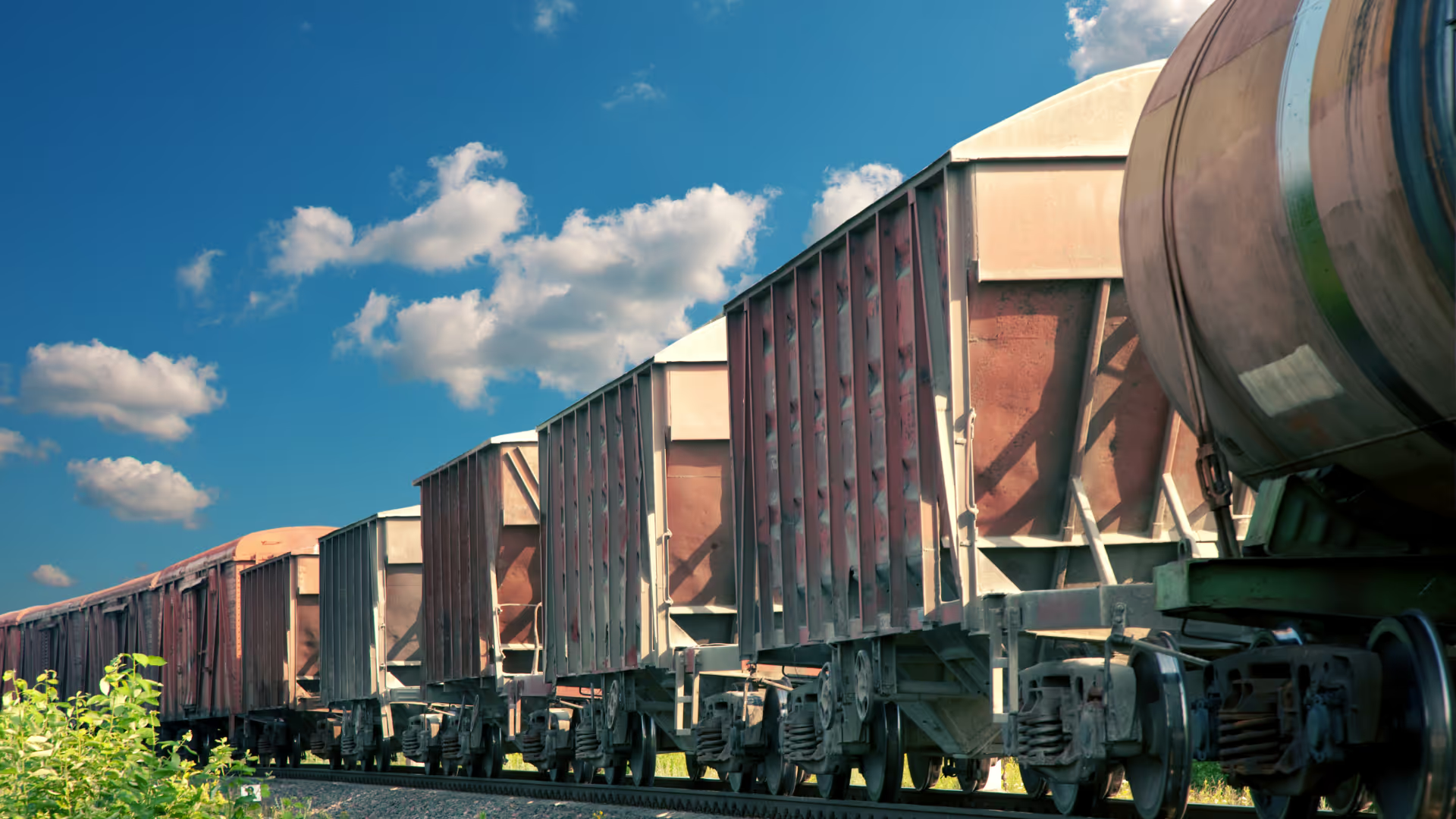
At PrincetonTMX, we are committed to a multi-modal strategy where shippers can execute all modes of transportation (TL, LTL, IM, Rail and Barge) within our transportation management platform with single signon (SSO) access.
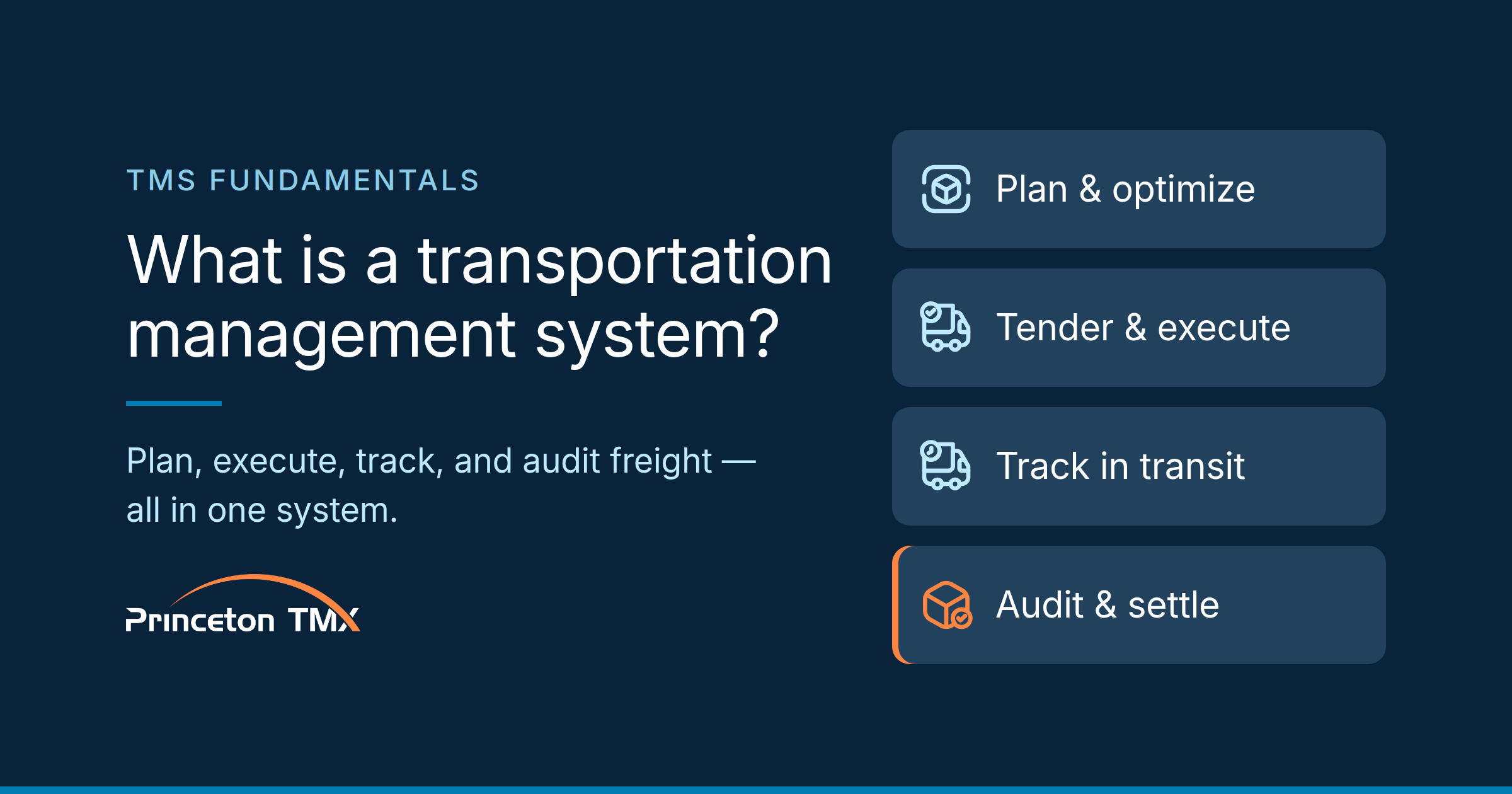
Integrating all modes of transportation into a single Transportation Management System (TMS) platform offers several key benefits for shippers:
- Improved visibility and control: A unified TMS provides a comprehensive view of all shipments across different modes, allowing for better tracking, monitoring, and decision-making.
- Enhanced efficiency: By consolidating multiple transportation modes into one system, shippers can streamline operations, reduce manual work, and minimize errors.
- Cost optimization: A single TMS platform enables better comparison and selection of carriers across modes, leading to reduced freight spend and improved resource allocation.
- Data-driven insights: With all transportation data in one place, businesses can generate more comprehensive reports and analytics, leading to better strategic planning and performance improvements.
- Improved customer service: Real-time tracking and status updates for all shipments, regardless of mode, allow for better communication with customers and faster resolution of issues.
- Flexibility and scalability: A multi-modal TMS can adapt to changing business needs and easily incorporate new transportation modes as the company expands.
- Streamlined documentation: Centralized document management for all modes simplifies paperwork, reduces errors, and ensures compliance across the entire transportation network.
By leveraging a single TMS platform for all modes of transportation, companies can achieve greater operational efficiencies, cost savings, and improved overall supply chain performance.
If you are tired and frustrated with your Frankenstein model of disparate systems pieced together with band-aid integrations, give us a call to learn how you can experience the benefits of multi-modal TMS platform.
Subscribe to TMX Trendwatch to get more supply chain, logistics, and transportation insights delivered to your inbox every 2 weeks.