Intermodal optimization is transforming the logistics landscape. It offers a strategic approach to freight management. By integrating multiple transport modes, shippers can enhance efficiency and cut costs.
This guide is tailored for industrial shippers. It explores how intermodal solutions can protect profit margins. The focus is on practical strategies and real-world applications.
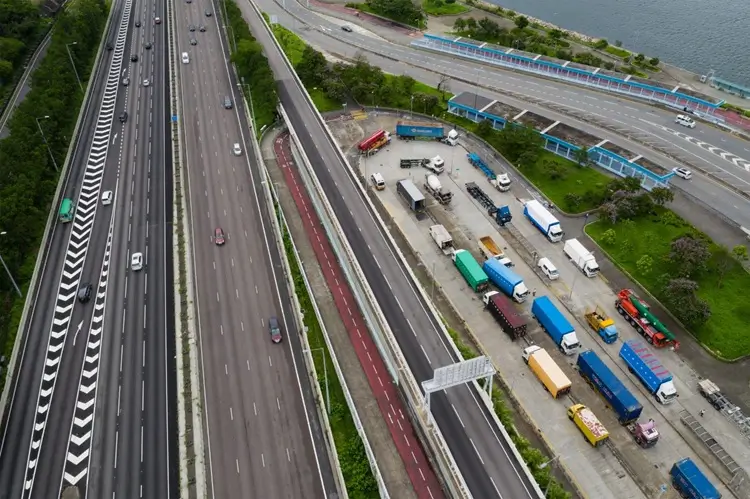
Understanding the basics of intermodal transport is crucial. It involves combining rail, truck, and sometimes sea or air. This mix can lead to significant savings and improved delivery times.
Technology plays a vital role in this process. Tools for tracking and route planning are essential. They help shippers make informed decisions and optimize their supply chains.
Join us as we delve into the world of intermodal optimization. Discover how it can benefit your operations. Learn to navigate the complexities of modern logistics with confidence.
Understanding Intermodal Optimization: The Basics
Intermodal optimization involves using various transport modes for cargo movement. These modes include rail, truck, sea, and sometimes air. Coordinating these elements can enhance freight management significantly.
This strategy streamlines supply chains. It leverages each mode's strengths while minimizing their weaknesses. For instance, rail is cost-effective and environmentally friendly, whereas trucks offer flexibility.
Several components are vital for effective intermodal transport. Each of these components ties back to the fundamentals of transportation management:
- Integration of different modes
- Planning and scheduling optimization
- Coordination with logistics partners
These components ensure that intermodal optimization delivers efficiency and cost savings. Understanding them helps shippers make informed logistics decisions.
A well-coordinated intermodal strategy can improve delivery reliability. It can also reduce carbon emissions. The key is to find the right balance among available transport modes.
Industrial shippers must grasp these basics. Intermodal solutions have the power to transform logistics operations. They offer a path to cost reduction and increased resilience.
Why Intermodal Optimization Matters for Industrial Shippers
Intermodal optimization is crucial for reducing shipping costs. By leveraging rail, sea, and trucks, shippers can lower expenses significantly. Rail is particularly effective for bulk goods over long distances due to its cost efficiency.
Moreover, this approach bolsters the supply chain's resilience. Shippers can mitigate risks tied to fuel price fluctuations and driver shortages. Intermodal solutions offer diverse pathways, minimizing reliance on a single mode.
Here are several benefits for industrial shippers:
- Enhanced efficiency and cost reduction
- Better risk management and supply chain resilience
- Improved environmental impact and carbon footprint reduction
Environmentally, intermodal transport is often more sustainable. It minimizes emissions by utilizing eco-friendly options like trains. This aspect supports corporate sustainability initiatives and aligns with environmental regulations.
Embracing intermodal strategies fosters logistics flexibility. It allows shippers to adapt to demand changes swiftly. By optimizing their transport mix, shippers gain a competitive advantage and protect margins effectively.
Key Components of Effective Intermodal Optimization
Successful intermodal optimization hinges on several key elements. Foremost, understanding the distinct benefits and limits of each transport mode is vital. Each mode—be it rail, truck, or sea—offers unique advantages.
Collaboration is another cornerstone. Effective coordination with logistics partners ensures seamless transitions between modes. This process demands clear communication and strategic planning.
Moreover, data analytics plays a pivotal role. By analyzing transport routes and performance metrics, shippers can identify the most efficient paths. This approach helps in minimizing delays and optimizing schedules.
Essential components of intermodal optimization include:
- Knowledge of transport mode strengths and weaknesses
- Strong partnerships and communication strategies
- Data-driven decision-making and analytics
Environmental considerations shouldn't be neglected. An integrated approach can significantly lower a company’s carbon footprint. It also enhances the shipper's reputation among environmentally conscious customers.
Finally, regulatory compliance is crucial. Understanding international and regional transportation laws ensures smoother operations. By adhering to regulations, shippers avoid delays and potential fines, protecting their margins and sustaining operational efficiency.
The Role of Technology in Intermodal and Freight Management
Technology is a linchpin in modern freight management. It streamlines processes and enhances logistics efficiency. Tools for tracking and scheduling have transformed traditional operations.
Real-time data is invaluable. It allows shippers to monitor shipments and make informed decisions. This visibility ensures transparency across the supply chain.
Additionally, route planning algorithms are game-changers. These tools optimize transport paths and minimize delays. As a result, shipments are more reliable and cost-effective.
Key technological tools in freight management include:
- Real-time tracking systems
- Predictive analytics for route planning
- Digital platforms for coordination
Digital platforms facilitate better communication with logistics partners. They foster collaboration and improve operational outcomes. Integrated systems reduce errors and enhance overall efficiency.
Adopting advanced technology is essential for staying competitive. As digital tools evolve, they will continue to redefine intermodal logistics. Shippers who embrace these innovations will protect margins and achieve supply chain optimization.
Strategies for Margin Protection Through Intermodal Solutions
Margin protection is crucial for industrial shippers. Intermodal solutions offer a pathway to achieve this goal. By diversifying transport methods, shippers can secure more favorable rates.
Leveraging multiple transport modes spreads risk. This approach reduces dependency on costly single-mode routes. Rail, for example, often provides a cost-effective alternative to road transport.
Shippers need to assess the total cost of ownership. This includes examining fuel costs, transit times, and handling fees. A comprehensive view helps identify where savings can be made.
Key strategies for margin protection include:
- Diversifying transport modes
- Optimizing routes for cost efficiency
- Collaborating with multiple logistics partners
Advanced data analytics are also essential. These tools identify inefficiencies and suggest improvements. By refining routes and schedules, shippers can enhance profit margins.
Finally, fostering strong partnerships with logistics providers is important. Collaborative relationships can lead to better rates and service terms. This strategic cooperation aids both margin protection and supply chain optimization.
Multimodal Transport: Choosing the Right Mix for Your Supply Chain
Selecting the right mix of transport modes is a strategic decision. Multimodal transport combines various carriers to meet shipping needs. The right combination enhances efficiency and reduces costs.
Different cargo types require distinct transport solutions. Bulk goods may benefit from rail, while perishable items need air or expedited trucking. Understanding the strengths and limitations of each mode is crucial.
Factors to consider when choosing transport modes include:
- Cargo type and handling requirements
- Cost implications and budget considerations
- Delivery timelines and service reliability
Multimodal transport offers flexibility to adapt to changing demands. It can mitigate risks linked to single-mode dependencies. Integrating rail, road, and sea can optimize supply chain operations.
Evaluating historical data on delivery performance can guide decisions. This analysis supports making informed choices that align with business objectives. Ultimately, a well-planned multimodal strategy can boost supply chain resilience and profitability.
Overcoming Common Challenges in Intermodal Optimization
Intermodal optimization presents unique challenges for shippers. Coordinating multiple transport modes requires robust planning and communication. Misalignment can lead to delays and higher costs.
Common challenges include varying transit schedules and regulatory compliance issues. Differences in infrastructure capabilities between modes also need careful consideration. Addressing these challenges is essential for a streamlined operation.
To overcome these obstacles, shippers should focus on:
- Enhancing communication across stakeholders
- Investing in technology for tracking and coordination
- Conducting thorough route and risk assessments
Effective intermodal optimization improves resilience against disruptions. Implementing a flexible transport plan reduces the impact of unforeseen events. Regularly reviewing and adjusting strategies helps maintain efficiency.
Engaging with experienced logistics partners can provide valuable insights. These partnerships facilitate smoother operations and enhance overall logistics efficiency. By addressing challenges head-on, shippers can better protect margins and improve service delivery.
Best Practices for Supply Chain Optimization and Resilience
Supply chain optimization is crucial for maintaining competitive advantage. This involves efficient resource use and minimizing waste. Strategies must also address potential disruptions and enhance resilience.
Building a resilient supply chain requires proactive planning. Shippers should anticipate risks and develop contingency plans. An agile approach helps companies quickly adapt to changes in market conditions.
Incorporating best practices can significantly enhance operations. These practices include:
- Leveraging data analytics for informed decision-making
- Establishing transparent communication channels with partners
- Continuously monitoring and optimizing logistics processes
Technology plays a pivotal role in supply chain management. By using advanced tools for tracking and forecasting, shippers can improve accuracy. It also aids in identifying trends and predicting demand fluctuations.
Collaborative efforts with stakeholders ensure the supply chain remains robust. Encouraging feedback and sharing insights can lead to innovative solutions. Such practices contribute to a cohesive and effective supply chain network.
Case Study: Real-World Intermodal Optimization Success
A leading electronics manufacturer faced escalating shipping costs. They turned to intermodal optimization to address this. By combining rail and truck transport, they significantly cut expenses.
Their intermodal strategy reduced transit times. It also provided flexibility during peak seasons. The shift to rail decreased their carbon footprint, supporting sustainability goals.
The results were clear. The company realized a 15% reduction in shipping costs. Delivery reliability improved, enhancing customer satisfaction. This case demonstrates the tangible benefits of intermodal solutions. Through strategic changes, the manufacturer protected margins and boosted logistical efficiency.
Next Steps: Implementing Intermodal Optimization in Your Operations
Ready to enhance your logistics with intermodal optimization? Start with a thorough assessment of current transport processes. Identify inefficiencies and areas for improvement.
Create a detailed plan. Consider the integration of different transport modes. Engage with logistics partners to explore collaborative opportunities. Invest in technology for tracking and coordination.
Here are key actions to get started:
- Evaluate current logistics operations for inefficiencies.
- Partner with industry experts for guidance.
- Adopt technology for better tracking and coordination.
Start with small pilot projects. Measure the outcomes and adjust strategies accordingly. Gradually scale successful initiatives across the organization. Continuous assessment and adaptation are vital for long-term success.
Learn more: