Every time you see a semi-truck on the highway, you're looking at a small business on wheels facing a massive puzzle. For the company that owns it, the difference between making a profit and losing money can come down to a few gallons of fuel or a single trip made with an empty trailer.
This high-stakes world is built around a concept called FTL, or Full Truckload. Think of it like hiring an entire moving van for yourself instead of sharing space with others; the whole truck is dedicated to one customer's goods. This is the simplest and most common form of shipping, but it comes with a big challenge. In industry shorthand, you'll often hear FTL trucking used to describe this model; some even write flt trucking, though the meaning is the same. For carriers, Maximizing Efficiency in FTL Trucking Operations starts with consistently filling trailers and planning smarter turns.
The core problem in FTL trucking operations is that a truck only earns revenue when it's full, but its costs (fuel, driver pay, and maintenance) are constant. True efficiency isn't just about driving faster. It's about the strategic game of maximizing loaded miles, minimizing waste, and using every hour wisely.
What's Worse Than a Traffic Jam? An Empty Truck
A successful FTL delivery is only half the battle. Once that truckload of avocados reaches Chicago from California, the driver has a new problem: an empty 53-foot trailer. Driving that truck all the way back to California empty is the financial equivalent of setting cash on fire.
Think of a taxi driver who drops a passenger at the airport and has to return to the city without a fare. In trucking, this costly, revenue-free travel is called deadheading. Every deadhead mile is a pure loss, burning fuel and paying a driver while earning nothing. This is the single biggest inefficiency a trucking company fights to eliminate. For any ftl trucking company, reducing these empty miles is a top priority.
To solve this, dispatchers scramble to find a backhaul---a separate paid load heading back in the right direction. Finding a backhaul turns an expensive empty trip into a profitable round trip. But lining up that perfect return load depends on more than just luck; it requires navigating a complex web of routes, timing, and regulations.
How a Truck's Route Is More Complicated Than Your GPS
When you plug an address into your phone's GPS, it finds the fastest or shortest path. For a semi-truck, however, the "best" route is rarely that simple---it's about finding the most profitable one. A route that looks short on a map could be a financial dead-end if it involves steep mountain grades that burn extra fuel or roads that prohibit large trucks. These are the daily realities of ftl trucking.
Beyond just distance, planners must account for a critical factor: the driver's time. Truck drivers operate under strict federal safety rules called Hours of Service (HOS), which limit how long they can drive before taking a mandatory, multi-hour rest. This isn't a suggestion; it acts as a ticking clock on every delivery, making efficient time management essential for both safety and profitability.
This is where advanced route optimization comes in. Sophisticated software instantly weighs all these variables---distance, current fuel prices, tolls, and the driver's remaining legal time---to chart the most cost-effective course. It solves a complex puzzle in seconds, turning a simple map into a clear, profitable plan. But for this system to work, it needs live data from the road.
The "Fitness Tracker" That Reports on a Truck's Health
To get the live data needed for smart routing, trucks are equipped with a system called telematics---think of it as a fitness tracker for the vehicle. This device reports the truck's location, speed, and fuel consumption back to the main office, providing a real-time window into its performance on the road.
A critical part of this system is the Electronic Logging Device (ELD). It automatically records a driver's work hours, ensuring they comply with the mandatory Hours of Service safety rules. This digital log replaces outdated, error-prone paper records and provides a clear, legal account of the driver's time behind the wheel.
With this constant stream of information, managers can spot fuel waste from excessive idling or help a driver navigate unexpected delays. This data is the lifeblood feeding a company's main operational hub, the "air traffic control" for the entire fleet.
The "Air Traffic Control" for an Entire Fleet
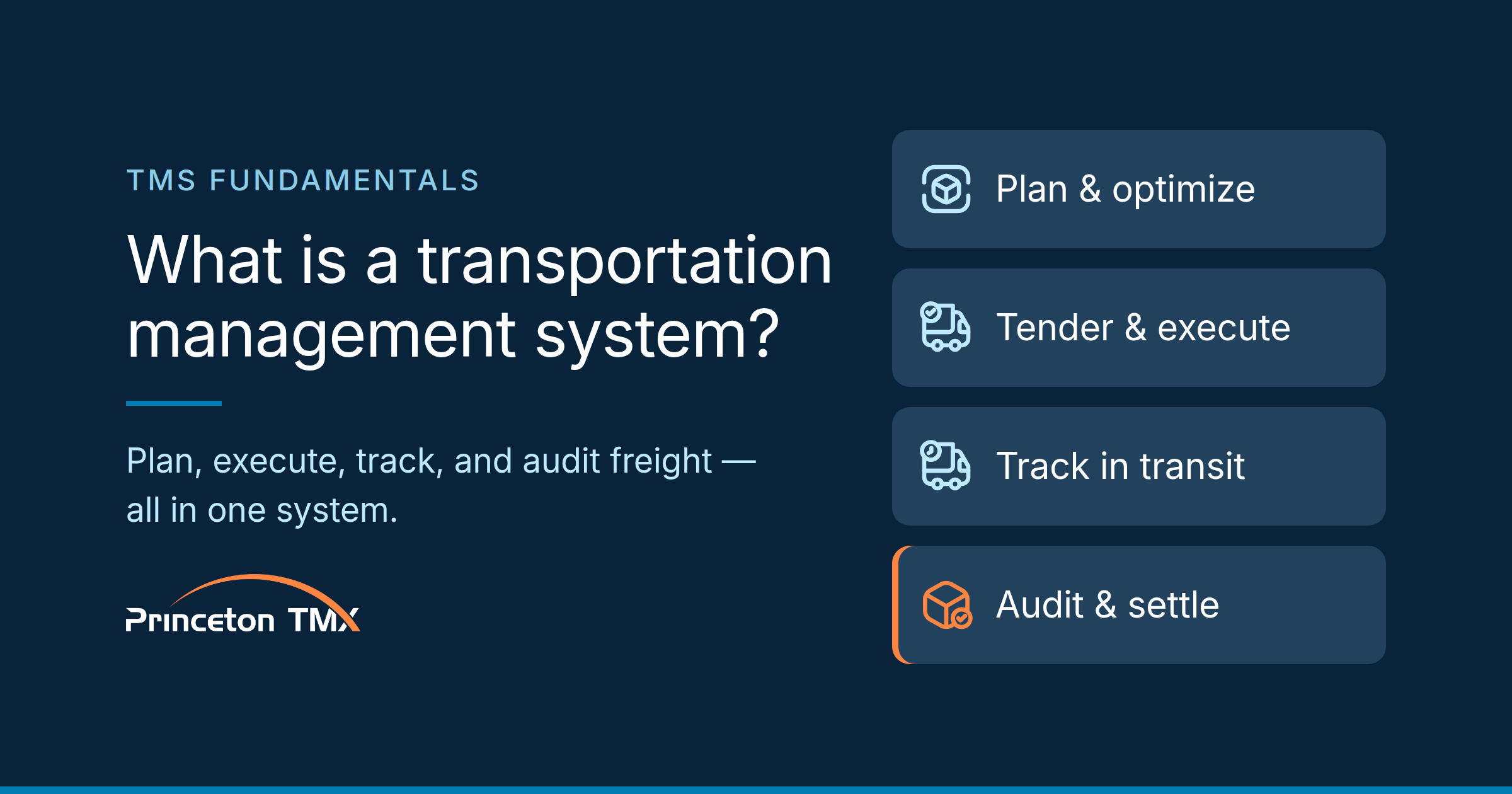
That constant stream of data from telematics is valuable, but it needs a central hub to make sense of it all. This is the job of the "air traffic control" for a trucking company: a sophisticated software platform called a Transportation Management System (TMS). It acts as the operational brain for the entire fleet, connecting information about drivers, dispatchers, and customers in one place.
Instead of juggling spreadsheets and constant phone calls, a TMS is the key to streamlining FTL freight dispatch. One of its most powerful features is helping with load planning software that automates load matching for FTL, instantly flagging opportunities to get a nearby empty truck its next paying job. From a single screen, it helps the team:
- See all trucks on a map
- Match empty trucks with new customer loads
- Plan the most profitable routes
- Automate billing and paperwork
By putting every piece of the puzzle together, a TMS allows for smarter, faster decisions. For modern trucking companies, finding the best TMS software for FTL carriers is essential. It's what turns raw data into real-world efficiency, keeping trucks full, moving, and profitable.
Why Trucking Efficiency Matters to Your Wallet
The next time you see a semi-truck on the highway, it will no longer be just a part of the landscape. You can now see the invisible puzzle its driver and dispatchers are solving: the constant push for a full truckload, the financial drain of an empty mile, and the complex routing decisions that change with traffic and weather. You've pulled back the curtain on a world that moves our own.
This hidden world directly impacts your wallet and your environment. Maximizing efficiency in FTL trucking means less wasted fuel and a smaller carbon footprint. The benefits of predictive analytics in trucking, which help avoid traffic and find return loads, translate into lower shipping costs. Those savings help keep prices stable on everything from your morning coffee to your new television.
Ultimately, the proof of a well-run logistics network isn't on the highway---it's on the shelf. The next time you walk through a fully stocked store, you'll understand that this abundance isn't an accident. It's the result of a complex, high-stakes game of efficiency, won one successful delivery at a time.
Learn more: