Receiving a shipping invoice that's higher than expected can feel like looking into a black box. Money goes out, but it's often unclear what exactly you're paying for or why delays keep happening. The good news is that you don't have to guess. Just like you track sales conversions or marketing ROI, you can---and should---measure your shipping performance with a few high-impact freight metrics and operational KPIs.
This is the key to seeing what's working, what isn't, and where your capital is leaking. By understanding the crucial figures behind your freight, you can stop overpaying, select more reliable trucking partners, and better predict on-time delivery. These core full truckload metrics put you back in the driver's seat, giving you the confidence to ask the right questions and make smarter strategic decisions.
Metrics Breakdown
Make shipping costs and reliability transparent by tracking a focused set of Full Truckload (FTL) metrics and freight kpis. Know when FTL beats LTL, then benchmark carriers on Cost-Per-Mile (and deadhead), On-Time Performance (target 95%+), Dwell Time/Detention management, Tender Acceptance Rate (aim 90%+), and Freight Claims Ratio (well under 1%). These freight metrics anchor your trucking rates to service quality. Use these metrics to vet partners and avoid hidden costs through a simple kpi checklist. A Transportation Management System like Princeton TMX automates tracking and turns data into actionable insights.
FTL vs. LTL: Are You Hiring a Private Taxi or Taking the Bus?
When shipping your products, the choice often feels like getting around a busy city: do you need a private taxi or can you take a shared bus? This analogy explains the two most common ways to move large shipments.
The "Private Taxi" Model (Full Truckload - FTL)
In this scenario, you reserve an entire truck for your goods. The driver picks up your shipment and heads straight to its destination. Because there are no detours, hub transfers, or co-mingling of freight, FTL is significantly faster and more secure. It is the gold standard for reducing the risk of damage from excessive handling.
The "City Bus" Model (Less-than-Truckload - LTL)
With LTL, your products share space on the truck with goods from other companies. This is a cost-effective way to move smaller shipments that don't require a 53-foot trailer. However, like a bus route, the truck makes many stops for pickups and drop-offs. This results in longer delivery times and increased "touches" on your freight, which can lead to higher damage rates.
When is FTL the right move? It is usually your best bet when you have enough product to fill at least 75% of a trailer, when your delivery is time-sensitive, or when your goods are high-value or fragile. While a dedicated truck might sound more expensive, that isn't always the case once you factor in the "hidden costs" of LTL delays and damages.
- The Most Important Number: Cost-Per-Mile (CPM)
To determine if you're getting a fair price on an FTL shipment, you must look beyond the total "all-in" price on the invoice and find the Cost-Per-Mile (CPM). This is the single most useful metric for benchmarking your transportation spend.
The Calculation: >
To calculate your Cost Per Mile (CPM), take the total cost of the shipment—including fuel, linehaul, and any accessorial fees—and divide it by the total number of miles the truck traveled from pickup to delivery.
Cost Per Mile = Total Freight Cost ÷ Total Miles Traveled
For instance, a 500-mile trip from your facility to a retail partner that costs $1,500 has a CPM of $3.00. If another carrier quotes you $1,400 for that same trip, their CPM is $2.80. This simple calculation allows you to compare quotes on an even playing field, stripping away variables to see the core cost of transport. This freight metric also helps you compare trucking rates across carriers.
The Role of "Deadhead"
Trucking companies are constantly worrying about deadhead---the miles driven with an empty trailer after a drop-off. Minimizing that deadhead is exactly what truck load planning software is built to do – grouping orders into fuller, more efficient loads automatically. Like a taxi driving back from the airport without a passenger, these are unpaid miles. Carriers skilled at reducing deadhead through "backhauls" can often offer you better rates. However, be cautious: a suspiciously low CPM could signal a carrier that is struggling for business or cutting corners on safety and insurance.
- On-Time Performance (OTP): Protecting Your Brand
What good is a cheap shipping rate if the truck arrives a day late? In modern logistics, speed and reliability are the product. The most important service metric is On-Time Performance (OTP). This is the percentage of shipments that arrive on schedule for both pickup and delivery.
How to Measure Success
Calculating OTP is simple: If a trucking company handles 100 of your shipments and 97 arrive when promised, their OTP is 97%.
- The Industry Benchmark: A dependable partner will consistently maintain an OTP of 95% or higher.
- The Financial Impact: A low OTP score isn't just an inconvenience; it's a drain on your bottom line. Many large retailers (like Walmart or Amazon) enforce strict delivery windows and will penalize you with chargeback fees---fines deducted from your payment for a late arrival. Tracking carrier performance is your best defense against these fees.
- The Hidden Cost of Waiting: Dwell Time & Detention
One of the most overlooked metrics in shipping is dwell time: the total time a truck spends parked at your facility, from arrival to departure. While a quick turnaround is ideal, extended waits can quickly turn a profitable shipment into a costly headache.
Why Dwell Time Matters
A driver's time is regulated by federal "Hours of Service" (HOS) laws. If they are sitting at your dock, they aren't making money. Typically, carriers include two hours of "free" time for loading. If your team takes longer, you will see detention fees---an hourly penalty (often $50--$100 per hour)---added to your bill.
The Solution: Preparation. By ensuring your shipment is staged and ready near the loading dock before the truck arrives, you eliminate detention fees and become a "Shipper of Choice." Carriers prioritize shippers who respect their time.
- Tender Acceptance Rate: Reliability of Capacity
When you offer a shipment to a carrier, you "tender" them the load. The Tender Acceptance Rate measures how often a carrier accepts the loads you offer at your contracted rate.
- The Goal: You want a rate of 90% or higher.
- The Risk: A low acceptance rate is a major red flag. It means your "primary" carrier is rejecting your loads to take higher-paying freight from someone else. This forces you into the Spot Market, where you'll pay a premium (often 20% more) to find a last-minute truck.
- The Freight Claims Ratio: Are Your Products Safe?
The Freight Claims Ratio reveals how often a carrier's shipments result in a claim for loss or damage.
The Math:
Number of Claims / Total Shipments = Claims Ratio
A top-tier carrier will have a ratio well under 1%. If you're constantly dealing with broken products, a low shipping rate isn't saving you money---it's costing you customers.
From Numbers to Action: The Shipper's Checklist
Full truckload shipping no longer has to be a mystery. You are now equipped to move beyond asking, "How much?" and start asking, "How efficient?" Use these four questions to vet your next carrier:
- What is your average cost-per-mile on our specific lanes?
- What is your documented On-Time Performance percentage?
- How do you manage dwell time to help us avoid detention fees?
- What is your tender acceptance rate for contract shippers?
The TMS Advantage
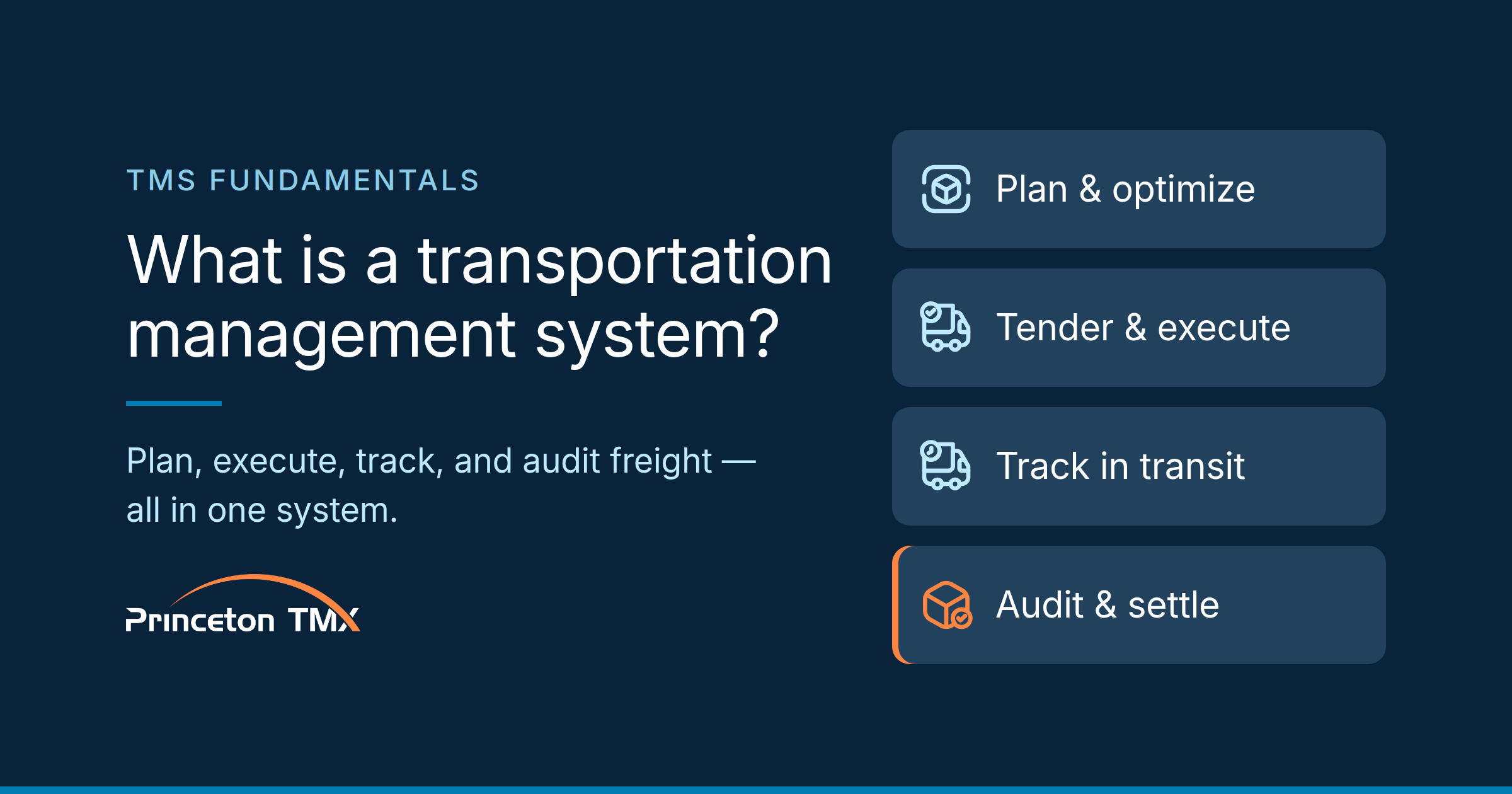
Tracking these metrics manually using spreadsheets is a recipe for burnout. This is where a Transportation Management System (TMS) like Princeton TMX changes the game. A TMS acts as your digital scout, automatically calculating CPM, tracking OTP via GPS, and flagging carriers with low acceptance rates. It turns raw data into a strategic roadmap, allowing you to optimize your spend and scale your business with confidence. Modern tms platforms often integrate with freight broker software to centralize bids, tendering, and visibility across full truckload operations.
Learn more: