.avif)
In today's fast paced market, optimizing the packaging supply chain is crucial, and businesses face constant pressure to reduce costs and improve efficiency while avoiding supply chain disruptions. Transportation Management Systems (TMS) offer a powerful solution as they streamline operations and enhance supply chain management.
TMS provides real-time visibility, enabling better decision-making, and it helps businesses manage shipments and ensure timely deliveries. By integrating TMS, companies can achieve significant cost savings with optimized routes and reduced transportation costs.
This article explores how TMS can transform your packaging supply chain strategy.
Understanding Packaging Supply Chain Optimization
Packaging supply chain optimization is all about improving efficiency. It involves streamlining processes and reducing unnecessary costs. Every step, from material sourcing to delivery, matters.
A successful optimization requires a holistic approach. Understanding each component of the supply chain is key. This ensures that we overlook or neglect no aspect.
Optimization strategies often include the following:
- Efficient use of packaging materials
- Enhanced logistics coordination
- Improved demand forecasting
Implementing these practices results in better resource allocation. It also leads to faster deliveries and reduced waste. Optimizing your packaging supply chain can enhance customer satisfaction by ensuring quality and timeliness.
Transportation Management Systems play a critical role in this process. They act as a backbone for efficient operations, allowing seamless tracking and control. Companies can achieve higher levels of effectiveness and agility by adopting these systems.
The Role of TMS in Supply Chain Management
A Transportation Management System (TMS) is a vital tool in supply chain management. It helps companies optimize logistics operations and enhance visibility. With a TMS, managers can oversee the entire transportation process seamlessly.
TMS offers several capabilities critical for supply chain success. These capabilities aid in efficient decision-making and strategic planning. Companies leveraging TMS often witness substantial gains in operation efficiency.
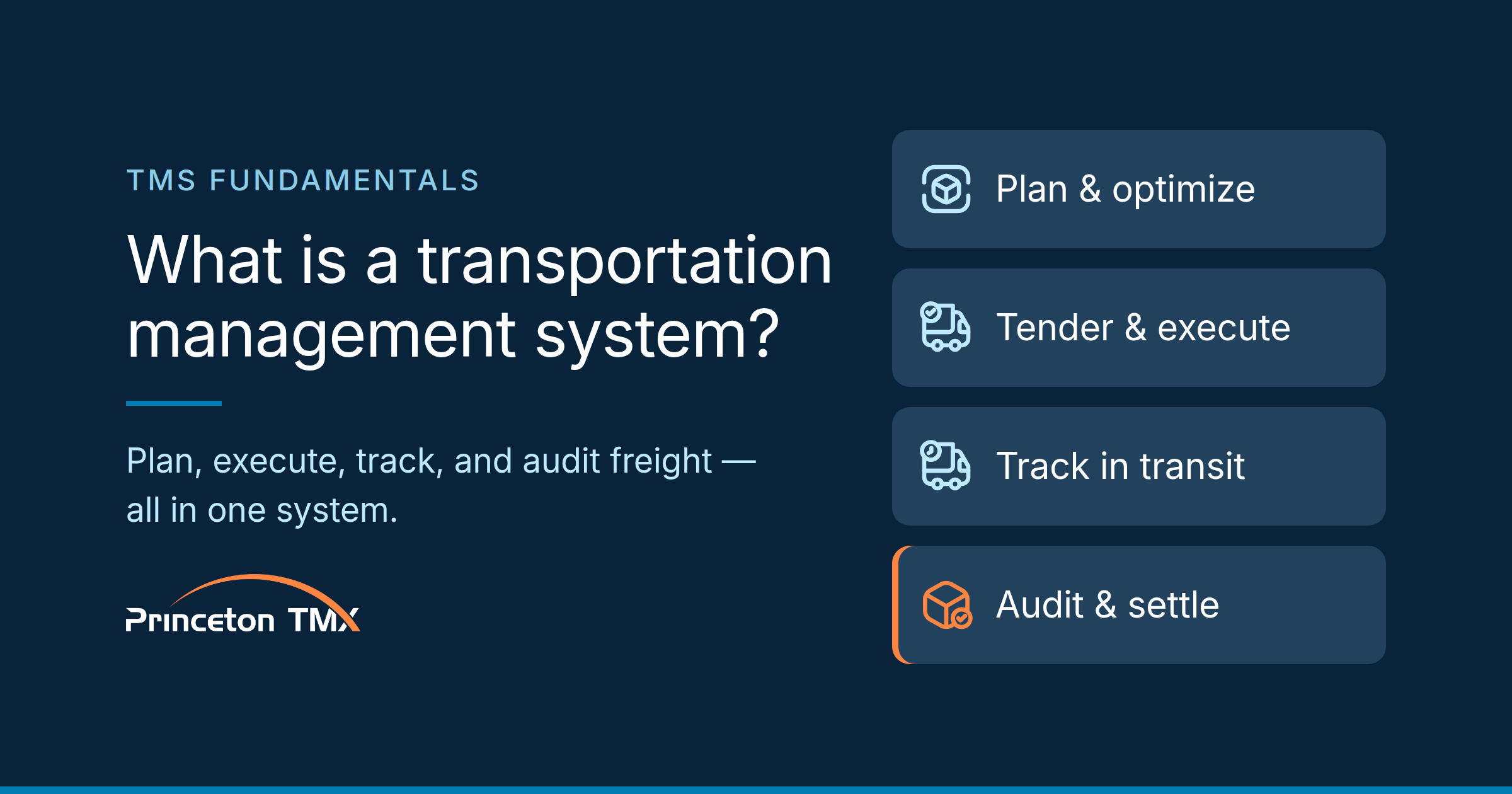
Key functions of TMS include:
- Real-time tracking of shipments
- Automated route optimization
- Freight audit and payment management
These features lead to reduced transportation costs and improved delivery times. TMS simplifies the management of shipping logistics, allowing better allocation of resources. It also fosters collaboration among stakeholders, improving overall communication.
Using a TMS enhances compliance with regulatory requirements. It ensures shipments meet quality standards and adhere to industry regulations. As supply chains become complex, TMS becomes indispensable in maintaining efficiency and effectiveness.
Incorporating TMS into supply chain management supports a company's strategic goals. This results in a competitive advantage, positioning businesses to thrive.
Key Benefits of TMS for Packaging Supply Chain Optimization
Transportation Management Systems (TMS) offer immense benefits in packaging supply chain optimization. These systems streamline operations, resulting in lower costs and increased efficiency.
One major advantage of TMS is its ability to automate routine tasks. Automation minimizes human error, enhancing the accuracy of supply chain activities. This precision is crucial for meeting customer expectations and regulatory standards.
TMS also provides extensive data analytics capabilities. Analyzing supply chain data helps in forecasting demand and adjusting inventory levels accordingly. This ensures businesses meet market needs without overstocking.
Key benefits include:
- Real-time supply chain visibility
- Enhanced route optimization
- Improved shipment tracking
Another perk is the reduction in transportation costs. TMS optimizes routes and uses load planning to consolidate shipments, lowering fuel consumption and expenses. Cost reduction directly boosts the bottom line of packaging businesses.
Moreover, TMS fosters better collaboration within the supply chain. It connects various stakeholders, facilitating communication and problem-solving. This improved interaction creates a more agile and responsive supply chain.
Lastly, TMS impacts sustainability by promoting eco-friendly practices. By optimizing routes, it reduces emissions, supporting green initiatives. This aligns with broader business strategies for environmental responsibility.
How TMS Enhances Supply Chain Strategy
Transportation Management Systems (TMS) are vital tools for refining supply chain strategies. By offering deep insights and analytics, they inform strategic decision-making processes.
TMS allows companies to align their operations with long-term goals. Detailed data reports reveal areas for improvement, enabling strategic adjustments that benefit the entire supply chain. This aligns the supply chain with overall business objectives, enhancing competitive positioning.
A strategic advantage of TMS lies in its ability to identify inefficiencies. By pinpointing bottlenecks and delays, TMS helps in crafting targeted strategies to improve performance. Enhanced efficiency translates into better service levels and customer satisfaction.
Key contributions of TMS to supply chain strategy include:
- Better demand planning
- Enhanced risk management
- Improved supplier relationships
Furthermore, TMS enhances strategic flexibility. This agility allows businesses to quickly adapt to market changes. Responding swiftly to new challenges helps maintain a robust and resilient supply chain.
Real-Time Visibility and Data-Driven Decisions
Real-time visibility in the packaging supply chain is crucial for making informed decisions. TMS provides this visibility by offering a detailed view of shipments and logistics activities.
With real-time data, managers can track the status of shipments across different stages. This ensures quick responses to any disruption in the supply chain process. The ability to see logistics in motion contributes to efficient management.
TMS significantly enhances data-driven decisions. By providing detailed analytics, TMS helps identify trends that guide strategic actions. This results in better forecasting and inventory management.
Advantages of real-time visibility and data include:
- Faster response to disruptions
- Improved decision-making
- Enhanced shipment tracking
In essence, the combination of visibility and data empowers businesses to manage their supply chains with precision and confidence.
Cost Reduction and Efficiency Gains With TMS
Transportation Management Systems (TMS) significantly aid in reducing costs within the packaging supply chain. The optimization of transportation routes is a key area where TMS excels.
By identifying the most efficient routes, TMS minimizes fuel consumption and transit time. This not only cuts costs but also enhances delivery speed. Additionally, automated processes reduce manual labor expenses and the potential for human error.
Efficiency gains are another major advantage. TMS streamlines operations, resulting in improved productivity and operational effectiveness. resource allocation. This ensures that we execute logistics activities promptly and accurately.
Key benefits include:
- Using these strategies can greatly improve how easy your article is to read. It can also boost its SEO by making it more user-friendly. Lower transportation costs can help too.
- Optimized resource allocation
- Enhanced delivery speed
Overall, the cost savings and operational efficiency gained through TMS implementation are substantial. Businesses can allocate their resources more effectively, boosting their overall competitiveness in the market.
Sustainability and Compliance in Packaging Supply Chains
Sustainability in global supply chains is becoming increasingly important. TMS plays a crucial role in achieving eco-friendly operations. By optimizing transport routes, TMS helps reduce carbon emissions.
Compliance with environmental regulations is another critical aspect. TMS ensures supply chains adhere to local and international standards, minimizing the risk of costly fines.
Additionally, TMS supports the use of sustainable packaging materials. This reduces waste and aligns with eco-conscious goals. Companies can enhance their green reputation by integrating TMS solutions.
Key aspects include:
- Reduced carbon footprint
- Compliance with regulations
- Sustainable material usage
TMS aids businesses in maintaining a balance between operational efficiency and environmental responsibility. By focusing on sustainability, companies can improve their brand image and customer loyalty.
Integrating TMS With Other Supply Chain Technologies
Integrating TMS with other supply chain technologies enhances overall effectiveness and supply chain performance. Systems like ERP and WMS work seamlessly with TMS, offering a comprehensive view.
This integration results in streamlined operations. Better data flow and process automation minimize inefficiencies and delays. Real-time information sharing among systems is crucial.
Key integration benefits include:
- Enhanced data accuracy
- Improved cross-functional visibility
- Smoother inter-departmental coordination
Strategically combining TMS with emerging technologies elevates operational agility. This alignment supports quicker decision-making and a more responsive supply chain. In turn, it boosts competitiveness in fast-changing markets.
Overcoming Common Challenges in Packaging Supply Chain Optimization
Packaging supply chain optimization often encounters several obstacles. Addressing these challenges requires strategic planning and a proactive approach.
Common issues include:
- Inefficient data management
- Poor communication among stakeholders
- Limited visibility into logistics operations
To overcome these hurdles, businesses must embrace advanced technologies like TMS. This allows for better coordination and streamlined processes.
Moreover, fostering a culture of continuous improvement and cross-functional collaboration can mitigate risks. Building robust partnerships and investing in employee training are crucial steps. Together, these efforts enhance supply chain efficiency and resilience.
Best Practices for Implementing TMS in Packaging Supply Chains
Successful TMS implementation hinges on aligning it with business goals.
Understanding the goals and expectations before starting is important for effective supply chain management.
Key practices include:
- Conducting a thorough needs assessment
- Ensuring compatibility with existing systems
- Providing comprehensive training for staff
Involving key stakeholders from the start is also vital. This ensures broad support and effective adoption. Regular feedback sessions can identify areas for improvement and chain resiliency. Continuous monitoring and updates keep the system relevant and effective, adapting to changing business needs.
Future Trends: TMS and the Evolving Packaging Supply Chain
The packaging supply chain is evolving rapidly with new technologies. TMS is at the forefront of this change, adapting and incorporating modern advancements. Emerging trends show a strong focus on automation and integration with AI.
In the future, we can expect:
- Greater reliance on AI for predictive analytics
- Enhanced use of IoT for real-time tracking
- Increased integration with blockchain for transparency
These trends show that TMS will keep changing and improving the supply chain. This will make it more efficient and effective in a market that is always changing.
Building a Resilient and Efficient Packaging Supply Chain
Optimizing the packaging supply chain requires strategic tools like TMS. By leveraging TMS, businesses can enhance efficiency and resilience while improving customer satisfaction and customer experience. This leads to better resource use and lower costs.
Building a resilient supply chain is essential for thriving in competitive markets. TMS supports this by improving visibility, collaboration, and adaptability. With TMS, companies can achieve long-term success and maintain a strong market position.
Learn more: